
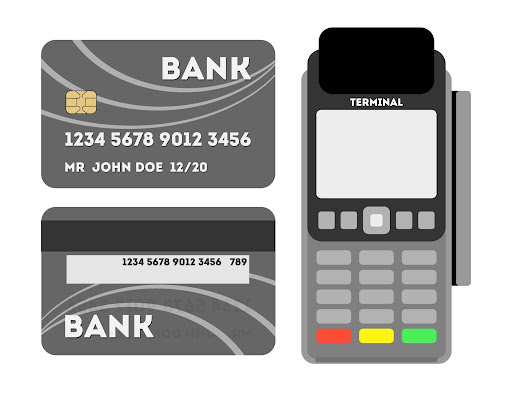
Modern businesses need dependable ways to accept payments while keeping transactions organized and secure. Credit and debit card payments have become an important part of everyday purchasing, making the underlying processing system a key consideration for merchants. Payment processing merchant services connect the different parties involved in a card transaction, allowing payment information to move from the merchant’s terminal through processing networks and financial institutions for authorization and settlement. Understanding how this system works can help business owners evaluate payment solutions based on their transaction methods, equipment, pricing structure, and operational requirements.
How Merchant Payment Processing Works
A payment processing merchant service involves more than only the business and customer. When a customer presents a card or uses a digital wallet, the payment terminal captures the transaction information and sends it through the appropriate processing channels.
The transaction then moves through payment networks and financial institutions for authorization. The issuing bank determines if the transaction can proceed, after which the appropriate parties complete the settlement process. Best Products describes its merchant processing platform as using secure authorization channels and data protection throughout this process.
Understanding these stages is useful because processing performance depends on the communication between multiple systems working together.
Payment Methods Businesses Can Accept
Payment processing merchants service more than one payment method depending on their customers and sales environment. Modern payment systems can support traditional card transactions as well as contactless and mobile wallet payments.
Best Products’ current payment solutions include terminals that accept chip, tap, swipe, and mobile wallet transactions. Its offerings also include virtual terminals for phone or keyed-in payments, along with online options such as invoices, subscriptions, and hosted payment pages.
Having multiple acceptance methods can help businesses accommodate different purchasing preferences without requiring separate systems for every transaction type.
Transparent Pricing Matters
Processing costs can influence a business’s operating expenses, making pricing structure an important consideration when comparing providers. Merchants should look beyond a single advertised rate and understand how transaction fees, statement charges, monthly costs, equipment expenses, and other potential charges are calculated.
Best Products’ payment platform describes interchange-plus pricing as one available model. Under this structure, the merchant is charged the applicable card-network cost plus a provider margin. The company also states that its payment solutions have no monthly fees or PCI compliance charges under its listed plans.
Reviewing the complete pricing structure can make it easier for a business to compare payment solutions accurately.
Choosing the Right Payment Equipment
Payment hardware should match the way a business operates. A traditional storefront may require a countertop terminal, while a mobile business may need equipment that supports transactions away from a fixed checkout location.
Integrated POS systems can provide additional functions beyond accepting payments. Best Products’ payment solutions include POS functionality involving inventory, tipping, and tax management. Virtual terminals provide another option for businesses that need to process payments without a physical card terminal.
The right equipment depends on transaction volume, sales environment, existing software, and the payment methods customers use most often.
Security and Transaction Protection
Payment security is another important consideration when selecting a processing system. Card transactions involve sensitive financial information, so businesses need systems designed to transmit and process payment data through appropriate secure channels.
Best Products states that its merchant processing platform uses secure authorization channels and 24/7 data protection. Businesses should also review the security features, compliance responsibilities, and support provided by a potential payment processor before making a decision.
Security should be considered alongside convenience and pricing rather than treated as a separate concern.
How Payment Processing Connects With Retail Operations
Retail businesses often use several financial technologies together. A store may accept card payments at its checkout while also providing customers with access to cash through an in-store ATM.
An atm for retail can provide another customer service option while creating a separate transaction-based revenue opportunity for qualifying businesses. Best Products explains that retail ATMs can be used in convenience stores, grocery businesses, restaurants, and other customer-facing locations.
Payment processing and ATM services therefore address different parts of a retail operation, but both can contribute to a more flexible payment and cash-access environment.
What to Compare Before Selecting a Provider
Businesses can use several criteria when evaluating a merchant payment provider:
- Payment methods: Check that the system supports the cards and digital payment methods customers commonly use.
- Pricing: Review transaction rates, monthly charges, equipment costs, and other applicable fees.
- Hardware: Make sure terminals or POS equipment fit the business’s physical and operational requirements.
- Security: Examine how payment information is protected during transactions.
- Support: Consider the availability and responsiveness of technical and customer assistance.
- Integration: Confirm compatibility with existing POS, accounting, inventory, or ecommerce systems.
- Reporting: Look for transaction reporting and settlement information that can simplify reconciliation.
These factors can provide a more complete picture than comparing processing rates alone.
The Importance of Ongoing Support
Payment technology is part of a business’s daily operations, so problems with terminals, software, connectivity, or account configuration can interrupt sales. Having access to responsive support can help businesses resolve technical concerns more efficiently.
Best Products states that its payment service includes support for onboarding, hardware setup, and related assistance through a U.S.-based support team. The company also provides payment equipment and training as part of its listed implementation process.
A provider’s support structure can therefore be an important part of the overall service rather than simply an additional feature.
Conclusion
Payment acceptance involves much more than placing a card terminal at a checkout counter. Businesses need to consider processing networks, payment methods, pricing, equipment, security, integrations, reporting, and ongoing support when evaluating their options. For businesses researching these technologies and evaluating providers such as Best Products Sales & Service, understanding how each service fits into daily operations can lead to more informed decisions. Retailers may also consider complementary cash-access solutions, including as part of their broader transaction strategy.