
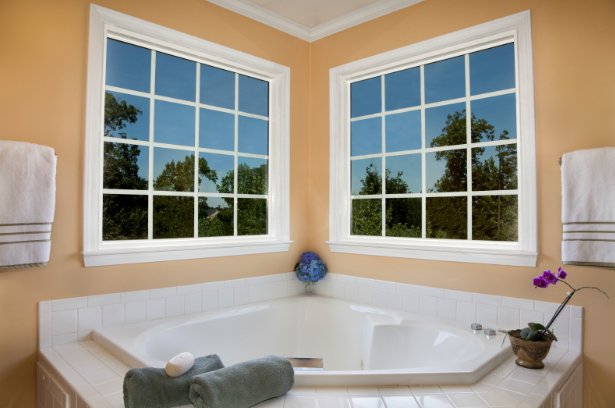
Replacing old or damaged windows is an important home improvement project that requires careful planning. Beyond improving a home’s appearance, properly selected windows can help control indoor temperatures, reduce unwanted air leakage, and provide protection against severe weather. However, successful window replacement involves several decisions, from choosing suitable materials to understanding building requirements and installation procedures.
For homeowners considering replacement windows in Stuart, having a clear checklist can make the process easier and help prevent costly mistakes. Florida’s coastal climate introduces specific challenges, including humidity, intense sunlight, heavy rainfall, and hurricane-related wind conditions. Understanding what to evaluate before, during, and after installation can help homeowners make informed decisions about their properties.
1. Inspect Your Existing Windows Before Planning Replacement
The first step is determining whether the existing windows genuinely require replacement.
Some problems, such as worn weatherstripping or damaged operating hardware, may be resolved through relatively simple repairs. Other conditions can indicate more extensive deterioration.
Common warning signs include:
- Persistent drafts around closed windows.
- Condensation trapped between insulated glass panes.
- Windows that are difficult to open, close, or lock.
- Visible corrosion, damaged frames, or deteriorated seals.
- Water stains around window openings.
- Recurring moisture intrusion during heavy rainfall.
Homeowners should examine both the interior and exterior areas surrounding each window.
If multiple windows show similar problems, a professional assessment may help identify whether replacement is more practical than repeated repairs.
2. Identify the Right Window Materials for Coastal Conditions
Selecting suitable materials is especially important when researching replacement windows in Stuart because coastal environments can accelerate the deterioration of certain building components.
Several frame materials are available, each with different performance characteristics.
Vinyl frames resist rust and generally require limited maintenance. Their thermal performance depends on the frame design and overall window construction.
Aluminum frames provide structural strength and slim profiles, although appropriate finishes and corrosion-resistant hardware are important in humid, salt-exposed environments.
Fiberglass frames offer dimensional stability and can maintain their shape under changing temperatures.
Wood frames provide a traditional appearance but typically require more maintenance to protect against moisture-related deterioration.
Rather than selecting a material based solely on appearance or price, homeowners should consider its durability, maintenance requirements, energy performance, and compatibility with the property’s architecture.
3. Compare Energy-Efficiency Ratings Before Buying
Windows influence how much heat enters and leaves a home.
In Stuart’s warm climate, reducing unwanted solar heat gain can be particularly useful for maintaining indoor comfort.
The U.S. Department of Energy recommends evaluating several window characteristics when comparing energy-efficient products.
Solar Heat Gain Coefficient
Solar Heat Gain Coefficient (SHGC) measures the proportion of solar radiation that enters a building through a window.
Lower SHGC values generally indicate better resistance to unwanted solar heat gain.
U-Factor
U-factor measures the rate of heat transfer through a window assembly.
A lower U-factor indicates better insulating performance.
Low-E Glass
Low-emissivity coatings help control radiant heat transfer through glass.
Different coatings offer varying balances of daylight transmission and solar heat reduction.
Air Leakage
Air leakage ratings indicate the amount of air that can pass through a window assembly under specified testing conditions.
Homeowners comparing replacement windows in Stuart should review National Fenestration Rating Council (NFRC) labels to evaluate performance using standardized measurements.
4. Check Hurricane Protection and Building Code Requirements
Storm protection is an important consideration for residential window projects in coastal Florida.
Impact-resistant windows are tested to meet specified impact and wind-pressure requirements. Depending on the approved product, they may use laminated glazing, reinforced frames, and specialized attachment systems.
However, homeowners should not assume that every impact-resistant window meets the requirements for every property.
Before purchasing windows, verify:
- Applicable local wind-load and windborne-debris requirements.
- Approved product specifications and installation limitations.
- Required design pressure ratings.
- Whether impact-resistant glazing or approved protective coverings are necessary.
- Applicable building permit and inspection requirements.
Florida maintains a product approval system that allows users to review window approval information, including performance characteristics and limitations of use.
Selecting an approved product is only part of compliance. The installation method must also satisfy applicable requirements.
5. Establish a Realistic Window Replacement Budget
The total cost of replacing windows depends on more than the number of units being installed.
Several factors influence project expenses:
Window size and configuration: Larger, custom-shaped, or specialty windows may involve higher material and installation costs.
Frame and glazing materials: Product specifications, insulated glass construction, and impact-resistant features can affect pricing.
Existing opening condition: Deteriorated framing or water-damaged surrounding materials may require additional repairs.
Labor requirements: Installation complexity, access limitations, and removal procedures influence labor expenses.
Permits and finishing work: Inspection fees, trim replacement, disposal, and related work may contribute to the overall project cost.
When obtaining estimates for replacement windows in Stuart, homeowners should request a detailed breakdown of materials, labor, installation procedures, warranty provisions, and possible additional charges.
A written estimate makes it easier to compare different proposals fairly.
6. Prepare Your Home Before Window Installation
Proper preparation helps installers work efficiently while reducing the risk of damage to surrounding areas.
Before the scheduled installation, homeowners should remove curtains, blinds, and other window coverings when instructed.
Furniture and fragile belongings should be moved away from work areas.
Installers may also need clear access to outdoor areas surrounding the affected windows.
Additional preparation steps include securing pets, discussing access arrangements, and confirming the expected project schedule.
Homeowners should ask whether installation will occur room by room or across multiple areas simultaneously.
Weather conditions may influence the schedule because exposed window openings need appropriate protection during rain or severe weather.
7. Understand What Happens During Installation
A typical replacement project begins with removing the existing window components and inspecting the surrounding opening.
Installers then address necessary preparation work before positioning the new window.
Correct installation involves securing the window according to approved specifications, providing suitable flashing and water-management details, and sealing appropriate joints.
The precise procedure varies depending on the window system, wall construction, and installation method.
Improper installation can contribute to water intrusion, air leakage, operational problems, and premature deterioration.
For this reason, homeowners should evaluate installation quality as carefully as the product itself.
8. Complete a Final Inspection After Installation
Once installation is finished, homeowners should review the completed work before considering the project closed.
Important items to check include:
- Windows open, close, and lock correctly.
- Frames appear properly aligned.
- Visible seals and finishing details are complete.
- Glass surfaces are free from installation-related damage.
- Required screens and hardware are present.
- Installation debris has been removed.
- Warranty documents and applicable inspection records are available.
Homeowners should also ask about recommended cleaning methods and maintenance procedures.
Retaining product details, warranty documents, and contractor records can be useful if repairs or future adjustments become necessary.
9. Avoid Common Window Replacement Mistakes
Several avoidable mistakes can affect the long-term performance of newly installed windows.
One common mistake is choosing the lowest-priced product without evaluating its performance ratings or installation requirements.
Another is overlooking the condition of the surrounding structure. Replacing a window without addressing existing moisture damage can allow underlying problems to continue.
Homeowners should also avoid assuming that all window systems provide the same level of storm protection.
When comparing replacement windows in Stuart, it is important to verify both product specifications and installation compatibility.
Finally, unclear warranty terms can create problems when service is needed. Product warranties and workmanship warranties may cover different issues, so both should be reviewed carefully.
Conclusion
A successful window replacement project begins with evaluating existing conditions and continues through product selection, budgeting, installation, and final inspection. Understanding energy ratings, weather resistance, and local building requirements can help homeowners avoid unsuitable products and unnecessary expenses. During the planning process, property owners may consult information from Jensen Beach Aluminum & Windows alongside building-code resources and product specifications to better understand available window configurations and installation considerations. Ultimately, selecting suitable replacement windows in Stuart requires thoughtful preparation and attention to long-term performance. By following a structured checklist and reviewing essential technical details, homeowners can make informed decisions that support comfort, durability, and protection against Florida’s challenging weather conditions.