
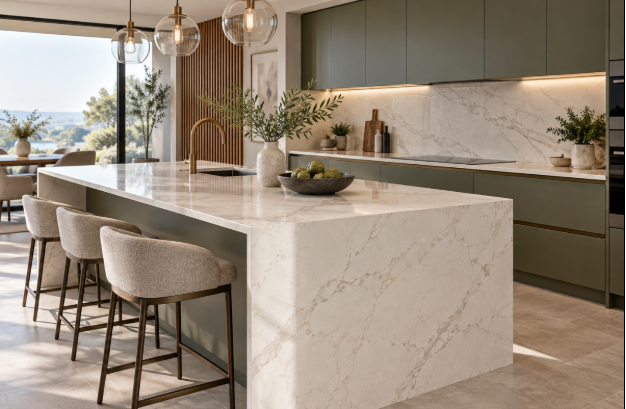
Kitchen worktops have an important role in both the appearance and everyday usability of a kitchen. The surface needs to complement cabinetry and other finishes while also coping with regular preparation and cleaning. Material selection can therefore influence the overall design, maintenance requirements, and long-term practicality of the space. A Silestone worktop offers a combination of contemporary appearance and practical surface characteristics, making it an option worth considering for modern kitchen projects. Understanding its material composition, available styles, maintenance requirements, and installation considerations can help homeowners make a more informed decision.
What Is Silestone?
Silestone worktop is a surface manufactured by Cosentino using minerals and recycled materials through its Hybriq+ technology. The material is designed to provide a durable surface with a range of colours and textures suitable for different interior styles. Cosentino describes Silestone as having high resistance to scratches and stains while requiring minimal maintenance.
This combination makes Silestone suitable for kitchens where the worktop needs to balance visual appeal with everyday functionality. Its appearance can also be coordinated with other elements of the kitchen, helping create a consistent design across worktops and surrounding surfaces.
Colour and Design Choices
One of the main considerations when selecting a Silestone worktop is how its colour and pattern interact with the rest of the kitchen. Silestone is available in different colours, textures, and finishes, providing options for both understated and more distinctive interiors.
Neutral shades can provide a clean foundation for kitchens with stronger cabinet colours, while patterned surfaces can introduce additional visual detail into simpler layouts. The choice should also account for the size of the room, cabinet finish, flooring, splashback, and other prominent design features.
Everyday Durability and Maintenance
A kitchen worktop is exposed to frequent use, so resistance to common forms of wear is an important consideration. Silestone is designed with resistance to scratches and stains, which can help maintain its appearance during normal kitchen use.
Regular cleaning remains important for keeping the surface in good condition. Cosentino recommends cleaning its kitchen surfaces regularly with water and mild soap and avoiding harsh chemicals. Using appropriate cleaning practices helps protect the surface and preserve its appearance over time.
Choosing the Right Thickness
Thickness can influence both the appearance and practical design of a worktop. Silestone is available in several thickness options, including 12 mm, 20 mm, and 30 mm, according to Cosentino’s current kitchen guidance.
A thinner profile can support a more minimalist appearance, while a thicker profile may create a stronger visual presence around an island or main preparation area. Thickness should also be considered alongside edge design, cabinetry support, overhangs, and the requirements of the installation.
Consider the Overall Kitchen Layout
The worktop should be selected as part of the wider kitchen design rather than as an isolated feature. Consider how the surface will interact with the island, cabinetry, splashback, flooring, appliances, and lighting.
Large surfaces can have a particularly strong visual effect, so the positioning of patterns and joins should be considered during planning. Cosentino notes that larger-format surfaces can help reduce the number of joints and create greater visual continuity across a project.
Silestone and Dekton: Understanding the Difference
Silestone and Dekton are both Cosentino surfaces, but they have different material characteristics and applications. Silestone is described as a hybrid mineral surface, while Dekton is an ultra-compact surface designed for high performance across indoor and outdoor applications.
Dekton is particularly noted for its resistance to scratches, stains, heat, impact, abrasion, and ultraviolet exposure. These properties can make it suitable for demanding applications where additional resistance is a priority.
Conclusion
Selecting a kitchen worktop involves balancing appearance, durability, maintenance, thickness, and compatibility with the wider design. Silestone provides a range of colours and textures alongside practical resistance to everyday wear, while Dekton offers a different set of technical characteristics for demanding applications. For projects seeking a marble-inspired appearance with high-performance properties, a Dekton Entzo worktop can also be considered as an alternative surface option. Entzo is inspired by Calacatta Gold marble and features distinctive golden veining with a matte finish.