
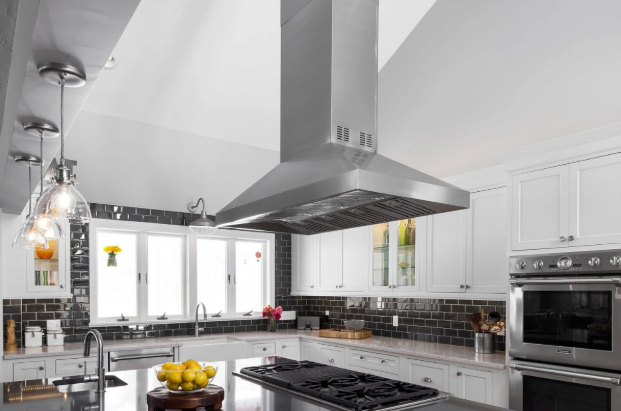
A clean, efficient kitchen relies heavily on proper ventilation to remove airborne grease, smoke, heat, and moisture generated during daily cooking. Installing a high-performance 30 inch stainless steel hood provides the ideal balance of powerful extraction capacity and sleek aesthetic appeal for standard cooking surfaces. Stainless steel remains the preferred material for residential ventilation systems because of its resistance to high temperatures, corrosion, and everyday wear.
Evaluating hood dimensions and air filtration capabilities ensures that your kitchen stays safe and comfortable while maintaining code compliance and ease of use.
Why Choose Stainless Steel for Kitchen Ventilation?
Kitchen ventilation units are constantly exposed to steam, aerosolized oils, and harsh cleaning agents. Selecting a 30 inch stainless steel hood ensures long-term structural durability while making maintenance straightforward and efficient. Stainless steel surfaces do not absorb odors, resist staining from heat exposure, and can be wiped clean effortlessly using standard kitchen degreasers.
In addition to practical maintenance advantages, modern stainless steel finishes seamlessly match other major kitchen appliances, such as ranges, refrigerators, and dishwashers. This creates a cohesive, modern visual appearance across both classic and contemporary kitchen layouts.
Matching Hood Dimensions to Your Cooking Range
Selecting the correct size for a ventilation system is critical for capturing heat and airborne pollutants before they spread throughout the home. A 30 inch stainless steel hood is specifically engineered to fit over standard 30-inch gas or electric ranges. Matching the hood width directly to the cooktop width ensures that the capture zone covers all active burners.
Proper overhead coverage allows the internal blower mechanism to pull grease-laden air directly through multi-layer aluminum or stainless steel baffle filters. This targeted capture rate helps prevent grease buildup on surrounding cabinetry, walls, and ceiling surfaces.
Key Performance Features to Consider
When evaluating different ventilation models, homeowner considerations typically extend beyond aesthetic design to operational features and airflow power.
- Airflow Capacity (CFM): Measured in cubic feet per minute, higher CFM ratings provide rapid smoke and odor evacuation during high-heat searing or frying.
- Noise Output (Sones): Quality ventilation systems incorporate advanced fan designs that deliver strong airflow while maintaining low operational noise levels.
- Integrated Lighting: Built-in energy-efficient LED light strips provide bright illumination directly over the cooking surface for improved visibility.
- Filter Efficiency: High-quality baffle or mesh filters capture airborne grease particles, helping keep kitchen surfaces cleaner and simplifying routine maintenance.
- Ducting Compatibility: Proper duct size and configuration support efficient airflow, reduce ventilation restrictions, and help the range hood perform according to its specifications.
Integrating a premium 30 inch stainless steel hood into your kitchen design optimizes both indoor air quality and workspace visibility during daily meal preparation.
Accessibility and ADA Compliance Standards
Accessibility is an important consideration in kitchen design, particularly when planning spaces for people with mobility limitations. Control placement, ease of operation, and the user’s reach should be considered when selecting a range hood and its installation configuration. For projects subject to accessibility requirements, checking applicable building codes and ADA standards helps determine the appropriate control arrangements.
A stainless steel hood with compatible remote controls or accessible switching options can offer greater flexibility when planning a functional kitchen layout.
Conclusion
Choosing the right range hood involves balancing ventilation performance, durability, and ease of use. A well-designed stainless steel hood offers a durable finish and practical features that complement different kitchen styles. For projects with specific accessibility needs, asking Do range hoods have to be ADA compliant? can help clarify which requirements apply to the building and installation. Reviewing product specifications and applicable regulations before purchasing helps ensure the selected hood meets your kitchen’s functional and design requirements.