
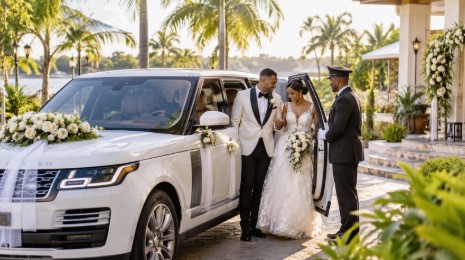
Transportation is one of the most important parts of wedding logistics because delays can affect the ceremony, photography schedule, reception, and guest experience. Couples arranging wedding transport in Guyana should think beyond simply booking a vehicle. Pickup times, route planning, traffic conditions, venue access, guest numbers, luggage, weather, and backup arrangements can all influence how smoothly the day runs. A well-planned transport schedule helps the wedding party and guests arrive where they need to be without unnecessary stress, confusion, or last-minute changes.
Start With a Complete Wedding Day Timeline
Before booking vehicles, create a detailed schedule for the day.
Include the time needed for getting ready, travel to the ceremony, photographs, transportation to the reception, and any additional stops.
When planning wedding transport in Guyana, add extra time between each stage rather than building a schedule that depends on perfect conditions.
A realistic timeline should consider:
- Pickup locations
- Ceremony start time
- Distance between venues
- Photography stops
- Guest boarding time
- Traffic conditions
- Parking and drop-off access
- Reception arrival time
Giving drivers a clear schedule in advance can also reduce confusion on the day.
Consider Traffic and Travel Times Carefully
Travel time can vary considerably depending on location, time of day, road conditions, and local events.
Couples should avoid estimating journey times based only on distance. A relatively short route can take longer during busy traffic periods or when several vehicles need to arrive and unload at the same location.
When arranging wedding transport in Guyana, it is useful to check routes at approximately the same time of day as the wedding.
If several vehicles are being used, build in enough time so all members of the wedding party arrive together rather than becoming separated by traffic.
Choose Vehicles Based on Group Size
The type and number of vehicles should match the number of passengers.
A small bridal party may need only one or two vehicles, while a larger wedding may require multiple cars, vans, or buses.
Do not forget to include:
- Bridesmaids
- Groomsmen
- Parents
- Grandparents
- Children
- Photographers
- Personal assistants
- Guests without transportation
For wedding transport in Guyana, it is often better to have a small amount of extra passenger capacity than to plan every seat exactly.
This provides flexibility if someone joins a different vehicle or last-minute changes occur.
Plan Separate Transport for the Couple When Needed
The couple may need a different transportation schedule from the rest of the wedding party.
For example, one partner may travel to the ceremony separately, while both leave together afterward.
There may also be photography sessions between the ceremony and reception.
A dedicated vehicle can give the couple more flexibility without delaying guests.
When organizing wedding transport in Guyana, couples should decide who needs to travel together at each stage rather than assuming the same seating arrangement will work throughout the entire day.
Think About Guest Transportation
Guest transport can be especially useful when the ceremony and reception are far apart or when many guests are unfamiliar with the area.
Shuttle services can reduce parking problems and make it easier for everyone to arrive on time.
Guest transport may also be helpful when alcohol will be served at the reception.
If a shuttle is being used, provide clear information about:
- Pickup points
- Departure times
- Return schedules
- Contact numbers
- Last departure time
Clear communication can prevent guests from missing transport or relying on last-minute alternatives.
Confirm Venue Access in Advance
Not every venue can accommodate every type of vehicle.
Narrow entrances, limited parking areas, gates, unpaved roads, or restricted loading zones can affect transportation choices.
Before finalizing wedding transport in Guyana, check where vehicles can safely stop and whether large vans or buses can reach the entrance.
Ask the venue:
- Where can vehicles wait?
- Is there a designated drop-off point?
- Are there parking restrictions?
- Can buses enter the property?
- Is there room for multiple vehicles?
- Are there different entrance and exit routes?
These details are particularly important for rural or outdoor venues.
Create a Backup Plan for Weather
Weather can affect both travel times and vehicle access.
Heavy rain may slow traffic, create road delays, or make certain outdoor pickup areas less practical.
Couples should have a backup plan for umbrellas, covered pickup areas, and alternative loading points.
If the wedding includes outdoor photographs, transportaA flexible wedding transport in Guyana schedule can help reduce disruption when weather changes unexpectedly.
tion may also need to accommodate a change in photography location.
Give Drivers Detailed Instructions
Drivers should receive more than a list of addresses.
Provide a written itinerary that includes:
- Passenger names
- Contact numbers
- Pickup times
- Venue addresses
- Preferred routes
- Important landmarks
- Parking instructions
- Emergency contacts
One person in the wedding party should also be designated as the transportation coordinator.
This prevents the couple from having to answer logistical questions while preparing for the ceremony.
Allow Extra Time for Photography
Photography frequently causes transportation schedules to run late.
Group photographs may take longer than expected, and couples may stop at additional locations between the ceremony and reception.
When planning wedding transport in Guyana, discuss the photography schedule with both the photographer and the transport provider.
The driver should know whether they need to wait nearby or return at a specific time.
Adding a buffer after the ceremony can make the schedule much more manageable.
Think About Comfort and Practicality
Vehicle appearance is important for some couples, but comfort should not be ignored.
Wedding clothing can take up more room than everyday clothes, especially when formal dresses or large skirts are involved.
Air conditioning, clean interiors, adequate legroom, and easy entry can make a significant difference.
For longer journeys, bottled water may also be useful.
A vehicle that looks attractive but is difficult to enter or uncomfortable for formal clothing may not be the best option.
Confirm the Booking Before the Wedding
Do not assume everything is finalized after the initial reservation.
A few days before the wedding, confirm:
- Number of vehicles
- Vehicle types
- Driver details
- Pickup times
- Pickup addresses
- Passenger counts
- Payment status
- Contact numbers
It is also useful to confirm who should be contacted if a vehicle is delayed.
A final review helps ensure that everyone is working from the same schedule.
Conclusion
Reliable transportation can have a major effect on how smoothly a wedding day unfolds. Careful scheduling, realistic travel times, appropriate vehicle capacity, clear communication, and backup plans can help prevent delays and reduce unnecessary stress. Couples who may also need a taxi service in Georgetown for individual guests, airport pickups, or smaller transfers should coordinate those journeys with the larger wedding transportation plan so arrival times and venue access remain organized. Effective wedding transport in Guyana should support the wedding schedule rather than complicate it. By planning routes early, confirming passenger needs, checking venue access, and keeping extra time in the itinerary, couples can create a transportation plan that keeps the day moving smoothly from the first pickup to the final departure.