
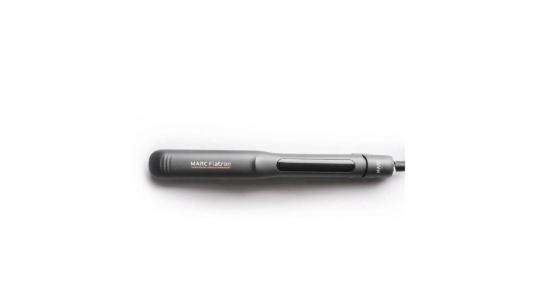
Smooth, polished hair can make everyday styling feel easier, but the right tool matters as much as the technique. A hair straightening machine should match your hair type, styling habits, and desired finish, not just look good or cost less. Looking at heat control, plate material, size, and safety features can help you make a practical choice.
From occasional touch-ups to regular styling, different tools offer different levels of control and performance. Thick hair may need stronger heat and wider plates, while fine or delicate strands can benefit from lower temperatures and gentler surfaces. Considering these details before buying can help you achieve consistent results while making styling more comfortable. Taking a few minutes to compare these features can make your purchase more useful, comfortable, and rewarding over time, too.
1. Consider Your Hair Type
Start by understanding your natural hair texture. Fine, thin, or chemically treated hair generally needs controlled temperatures to reduce unnecessary heat exposure. Thick, coarse, curly, or highly textured hair may require stronger performance and wider plates to work through sections efficiently.
A suitable tool should offer enough flexibility for your hair instead of forcing you to use excessive heat. Choosing according to texture also makes it easier to create a smooth finish without repeatedly passing over the same section.
2. Check Adjustable Temperature Settings
Temperature control is one of the most useful features to consider. A tool with multiple heat settings allows you to adjust the temperature according to your hair’s thickness, condition, and styling requirements.
Lower settings can be useful for finer strands and quick touch-ups, while thicker hair may need a higher setting. Adjustable controls also make the tool more versatile for households where different people have different hair types.
3. Look at Plate Material
The plate material directly affects how smoothly the tool moves through your hair. Ceramic plates are popular for even heat distribution, while titanium plates are known for fast heating and strong performance. Some tools combine materials or use specialized coatings for smoother movement.
Pay attention to how the plates are designed rather than choosing based only on the material name. A well-finished surface can reduce pulling and help deliver a more even styling experience.
4. Choose the Right Plate Width
Plate width should match both your hair length and thickness. Narrow plates can provide better control around shorter hair, fringes, and roots. Wider plates can cover larger sections, making them useful for long or thick hair.
If you style different areas frequently, a medium-width design can offer a useful balance between precision and coverage. The right size can also reduce the time spent repeatedly working through the same sections.
5. Prioritize Fast and Even Heating
A good styling tool should reach its selected temperature efficiently and maintain consistent heat across its plates. Uneven heating can lead to inconsistent results, requiring repeated passes that may increase unnecessary heat exposure.
Look for products that communicate clear heating performance and temperature stability. Fast heat-up can be particularly convenient during busy mornings, while even heating supports a smoother and more predictable finish.
6. Evaluate Ergonomic Design
Comfort becomes important when styling takes several minutes. A lightweight body, comfortable grip, accessible controls, and suitable cord length can make the process easier and more controlled.
The tool should feel balanced in your hand rather than awkward or heavy. A swivel cord can also reduce tangling while you move around your head. Small ergonomic details may seem minor at first, but they can make regular styling considerably more convenient.
7. Check Safety Features
Heat-based tools should include practical safety features. An automatic shut-off function can provide extra reassurance if the tool is accidentally left switched on. Heat-resistant construction and insulated exterior areas can also make handling safer.
Consider where you will store the tool after use and whether the design supports convenient handling. Safety should remain a priority even when performance and styling speed are your main buying considerations.
8. Think About Styling Versatility
A straightener does not have to be limited to creating pin-straight hair. Depending on its shape and plate design, it can also help create soft bends, waves, flipped ends, or polished finishes.
If you enjoy changing hairstyles, choose a model that supports more than one technique. Rounded edges, flexible plates, and smooth surfaces can make it easier to move from straight looks to textured styles without needing several separate devices.
9. Compare Durability and Build Quality
Frequent styling can put considerable demands on a tool. Check the overall construction, plate finish, hinges, buttons, cord, and materials before purchasing. A sturdy design is more likely to remain reliable when used regularly.
Price should be considered alongside expected usage. Spending slightly more on dependable construction may make sense if you plan to style your hair often. Reviews, warranty details, and product specifications can also help you judge whether the tool is built for long-term use.
10. Consider Brand Support and Value
The brand behind a styling tool can influence your overall buying experience. Look at warranty coverage, customer support, product information, replacement policies, and the availability of accessories or related tools.
It is also useful to compare the features offered at the listed price. A best brand hair straightener should provide a practical combination of performance, usability, safety, and dependable support rather than relying on branding alone.
Conclusion
Choosing a straightening tool becomes simpler when you focus on the features that genuinely match your hair and routine. Temperature control, plate quality, size, heating performance, comfort, safety, versatility, and durability can all influence your experience. A thoughtful comparison can help you avoid unnecessary features and select a tool that delivers smooth, manageable results.
For people looking to build a reliable styling collection, MARC Hair Tools offers a range of professional-inspired products designed for different hair-styling needs. Its collection includes straighteners, dryers, curlers, stylers, crimpers, brushes, and other hair salon tools, giving users options for creating polished looks at home or in professional settings. The brand focuses on practical designs, styling performance, and accessible solutions for everyday and salon use.