
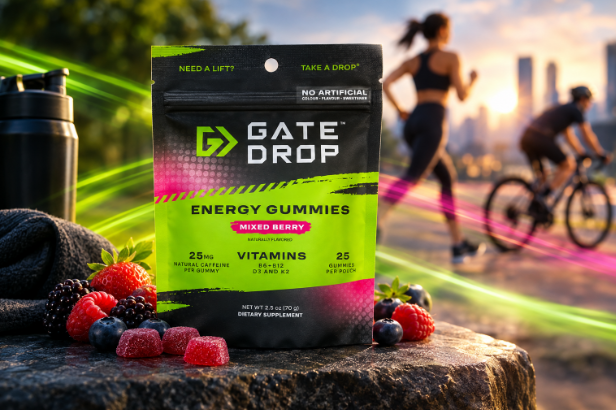
Low energy can affect concentration, exercise performance, productivity, and the ability to stay mentally alert throughout the day. People traditionally turn to coffee, energy drinks, or supplements when they need an extra boost, but chewable energy products have become another convenient option. Unlike beverages that require preparation or large supplement capsules that can be inconvenient to carry, gummies for energy provide ingredients in a compact and easy-to-consume format.
Understanding how these products work, what ingredients they may contain, and when they are most useful can help consumers make more informed choices. Their effects depend heavily on their formulation, serving size, individual caffeine tolerance, diet, sleep, and activity level.
How Do Gummies for Energy Work?
The way gummies for energy work depends primarily on their active ingredients. Many formulations use caffeine as one of the main ingredients because caffeine stimulates the central nervous system and can temporarily increase alertness and reduce perceived fatigue.
Caffeine mainly works by blocking adenosine receptors in the brain. Adenosine is involved in the gradual increase in sleepiness that occurs during waking hours. When caffeine temporarily interferes with this process, a person may feel more alert and better able to concentrate. The National Institutes of Health also notes that caffeine can increase vigor and reduce feelings of fatigue and perceived exertion.
Some energy gummies may also contain carbohydrates, electrolytes, vitamins, amino acids, or other ingredients. Their specific effects vary substantially, so consumers should always examine the nutrition and ingredient labels instead of assuming that every energy gummy works in the same way.
Why Are Energy Gummies Different From Energy Drinks?
One of the main differences is portion control. A gummy typically comes in a predetermined serving size, whereas caffeine levels in coffee and energy beverages can vary considerably depending on serving size and formulation.
The portable format of gummies for energy can also make them useful for situations where carrying a drink is inconvenient. This may include hiking, cycling, running, long work shifts, travel, or other activities where people prefer a lightweight option.
However, the gummy format does not automatically make a product healthier than an energy drink. What matters is the ingredient profile. Consumers should consider caffeine quantity, added sugar, serving size, and any additional stimulants rather than judging a product simply by whether it comes as a drink, tablet, powder, or gummy.
Can Energy Gummies Help With Exercise Performance?
Caffeine is one of the most extensively researched ingredients related to exercise performance. Research reviewed by the International Society of Sports Nutrition indicates that caffeine can improve several aspects of physical performance, particularly aerobic endurance, although individual responses can differ significantly.
Studies frequently examine caffeine doses of approximately 3–6 milligrams per kilogram of body weight, but higher quantities do not necessarily produce better results. In fact, excessive doses can increase the likelihood of unwanted effects without providing additional performance benefits.
For someone considering gummies for energy before exercise, the amount of caffeine per serving is therefore more important than simply consuming more gummies. The ideal amount can vary according to body size, habitual caffeine use, sensitivity, workout intensity, and other dietary sources of caffeine.
When Is the Best Time to Take Energy Gummies?
Timing depends on the purpose and ingredients. Research commonly evaluates caffeine about 60 minutes before exercise, although the best timing can vary depending on how caffeine is delivered and individual physiology.
Someone using an energy gummy for general alertness may instead consume it before a period that requires greater concentration, such as studying, working, or traveling.
Late-day consumption deserves particular attention. Caffeine remains active for several hours, and consuming it too close to bedtime may interfere with sleep. Regularly relying on caffeine to compensate for inadequate sleep can potentially create a cycle in which caffeine delays sleep, reduced sleep causes greater daytime fatigue, and additional caffeine is then used the following day.
What Should You Check Before Choosing Gummies for Energy?
Before using gummies for energy, start by checking the caffeine amount per gummy and per recommended serving. This is especially important for people who already consume coffee, tea, soda, chocolate, supplements, or other caffeinated products.
The U.S. Food and Drug Administration states that, for most healthy adults, 400 milligrams of caffeine per day is an amount generally not associated with negative effects. Individual sensitivity varies considerably, however, and certain medications, health conditions, pregnancy, and breastfeeding may require lower intake or professional guidance.
It is also worth reviewing:
- Added sugar per serving
- Number of gummies in one recommended serving
- Total caffeine from all daily sources
- Other stimulants in the ingredient list
- Artificial sweeteners or ingredients you may be sensitive to
- Intended use and serving instructions
Taking multiple servings without calculating total caffeine intake can unintentionally lead to excessive consumption.
Are Energy Gummies Suitable for Everyday Use?
Whether gummies for energy are suitable for regular use depends on the formulation and the individual’s overall routine. Occasional use for alertness may be very different from relying on stimulants every day to compensate for chronic tiredness.
Persistent fatigue can sometimes result from insufficient sleep, dehydration, inadequate calorie intake, stress, poor meal timing, or other underlying factors. An energy product may temporarily reduce the sensation of tiredness without addressing its cause.
Caffeine tolerance can also vary. Some people can consume moderate quantities with few noticeable side effects, while others may experience nervousness, restlessness, digestive discomfort, a racing heartbeat, or difficulty sleeping even at relatively low amounts.
Conclusion
Energy gummies offer a convenient way to consume ingredients intended to support short-term alertness or exercise performance, but they should be evaluated according to their ingredients rather than their format alone. Understanding serving sizes, caffeine content, added sugars, timing, and personal caffeine tolerance is essential when deciding whether gummies for energy fit into a particular routine. For active individuals, pre workout gummies may be considered as one possible portable option before training, but the total amount of caffeine and other active ingredients should still be assessed carefully. Ultimately, energy products work best when they complement rather than replace adequate sleep, balanced nutrition, hydration, and sensible recovery habits. Anyone who regularly experiences unexplained fatigue or has concerns about stimulant intake should consider discussing those concerns with a qualified healthcare professional.