
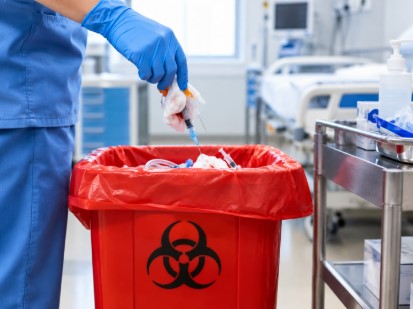
Healthcare facilities generate many different types of waste during diagnosis, treatment, research, and routine operations. Some materials may be ordinary general waste, while others can contain infectious materials, chemicals, pharmaceuticals, or other potentially hazardous substances. Properly identifying and managing these materials is essential for protecting healthcare workers, patients, waste handlers, and the surrounding environment. Biomedical management waste refers to the organized handling of healthcare-related waste from the point where it is generated through collection, treatment, transportation, and final disposal.
What Is Biomedical Waste?
Biomedical waste is produced by locations such as hospitals, clinics, laboratories, dental practices, veterinary facilities, and research institutions. Depending on the facility and its activities, it may include contaminated dressings, laboratory materials, discarded medical supplies, pathological materials, pharmaceutical waste, and other potentially hazardous items.
Not every item discarded in a healthcare setting is hazardous. Effective waste management begins with segregation, which means separating different waste categories at the point of generation. This reduces the possibility of hazardous materials being mixed with ordinary waste and makes subsequent handling more manageable.
Why Waste Segregation Matters
Segregation is one of the most important stages of healthcare waste management. When different categories are separated immediately, facilities can direct each type of waste toward the appropriate treatment or disposal process.
Color-coded containers, labeled receptacles, and clearly established procedures can help employees identify where specific materials belong. Staff training is equally important because even well-designed systems can fail if workers are uncertain about how particular waste should be handled.
Biomedical waste management procedures should therefore be incorporated into everyday facility operations rather than treated as an occasional administrative task. Consistent practices can reduce accidental exposure and improve overall waste-handling efficiency.
Common Categories of Healthcare Waste
Healthcare waste can be divided into several broad categories based on its characteristics. Infectious waste may contain pathogens capable of causing disease, while pathological waste can include human or animal tissues and other biological materials.
Pharmaceutical waste may consist of expired, unused, or contaminated medications. Chemical waste can include laboratory reagents, disinfectants, and other substances requiring specialized handling. Some healthcare facilities may also generate radioactive waste through particular diagnostic or treatment procedures.
Each category can have different storage, treatment, transportation, and disposal requirements. Correct classification is therefore necessary before determining how the material should be handled.
Safe Collection and Storage Practices
Healthcare waste should be collected using containers appropriate for the material being discarded. Containers need to be durable enough to prevent leakage or accidental release and should be properly labeled when required.
Waste storage areas should be managed to limit unauthorized access and prevent exposure to patients, visitors, and staff. Facilities should also consider factors such as ventilation, cleanliness, pest control, and the length of time waste remains in storage.
Personnel handling these materials should receive appropriate training and use protective equipment as required by workplace procedures and applicable regulations.
Treatment and Disposal
Different forms of healthcare waste may require different treatment methods. Depending on the waste category and local requirements, treatment can include processes such as autoclaving, disinfection, incineration, chemical treatment, or other approved technologies.
The objective is to reduce hazards before material reaches its final disposal stage. Facilities should follow applicable federal, state, and local requirements because healthcare waste regulations can vary according to jurisdiction and waste type.
Documentation can also play an important role. Maintaining records of waste generation, collection, treatment, and disposal can help organizations demonstrate compliance and identify opportunities to improve their processes.
Training and Ongoing Compliance
A healthcare waste program is only effective when employees understand their responsibilities. Training should explain waste categories, segregation procedures, container use, spill response, personal protective equipment, and reporting requirements.
Periodic reviews can help identify problems such as incorrectly sorted materials, overflowing containers, inadequate labeling, or inconsistent collection procedures. Updating procedures when regulations or facility operations change can further strengthen the program.
Conclusion
Effective healthcare waste management protects people and the environment by ensuring potentially hazardous materials are identified, separated, handled, treated, and disposed of appropriately. Sharps waste disposal is one specific area that requires appropriate containers and careful handling because improperly discarded sharps can create serious injury and exposure risks. Facilities should establish clear procedures that account for the different characteristics of the waste they generate.