
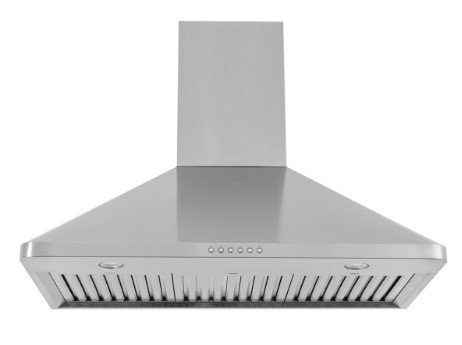
Larger kitchens with wide cooktops need ventilation that matches their scale, and that’s exactly where this size category comes in. A 42-inch stove vent hood is designed for cooking setups that outgrow standard 30 or 36-inch coverage, but picking the right one takes more than matching width to width. Here’s a breakdown of what actually separates a good fit from a mismatched one.
Why Coverage Width Isn’t the Whole Story
A hood should generally match or slightly exceed the width of the cooktop beneath it to capture rising smoke and steam effectively. But coverage alone doesn’t guarantee performance. Airflow strength, mounting height, and duct configuration all play a role in whether a 42-inch stove vent hood actually clears cooking byproducts or just sits above the range looking the part.
Breaking Down the CFM Tiers
Airflow capacity in this size range typically splits into three bands. The 600 to 900 CFM tier fits most home cooks with standard routines. The 900 to 1200 CFM tier suits avid cooks or larger ranges handling higher exhaust volume. Anything above 1200 CFM is generally built for outdoor grills or professional-style setups managing heavy grease and intense fumes. Choosing within the right tier depends on cooking frequency and intensity, not just hood size.
The Ducted and Ductless Distinction
Ducted hoods vent air directly outside, removing heat, moisture, and grease from the kitchen entirely. Ductless hoods instead recirculate air through filters back into the room. Several models in this size range are built to transition to ductless operation with an optional charcoal filter accessory, which adds flexibility for kitchens where exterior venting isn’t feasible, though ducted performance remains the stronger option where it’s an option at all.
Stainless Steel Grades and Long-Term Durability
Not all stainless steel performs the same over time. Standard-grade steel works for typical indoor use, but 304-grade stainless steel offers meaningfully better resistance to humidity, weather exposure, and temperature shifts. Anyone installing in a humid region or near an outdoor-facing kitchen space should factor this into the decision, since it directly affects how well the hood holds up over years of use.
Purpose-Built Outdoor Rated Models
For open-air kitchens, patios, or covered outdoor cooking areas, purpose-built outdoor-rated hoods offer stronger protection against rain, humidity, and fluctuating temperatures than standard indoor units. These are engineered specifically to handle open-air exposure without the accelerated wear a standard hood would experience in the same conditions.
Certification Standards Worth Confirming
Independent safety certification is easy to overlook but worth checking. ETL or cETL listing confirms third-party testing against recognized safety benchmarks, and models meeting or exceeding UL 710 standards are evaluated specifically for grease containment and fire safety performance, both of which carry more weight as hood size and airflow increase.
Conclusion
The right choice ultimately comes down to matching CFM, duct type, steel grade, and certification standards to your actual kitchen conditions rather than defaulting to the largest hood available. A properly specified 42-inch stove vent hood will consistently outperform a bigger but poorly matched alternative. If your cooktop runs on electric rather than gas, it’s also worth reading do you need a vent for an electric stove? Since ventilation needs and reasoning can differ between fuel types, that distinction may shape which hood specifications matter most for your setup.