
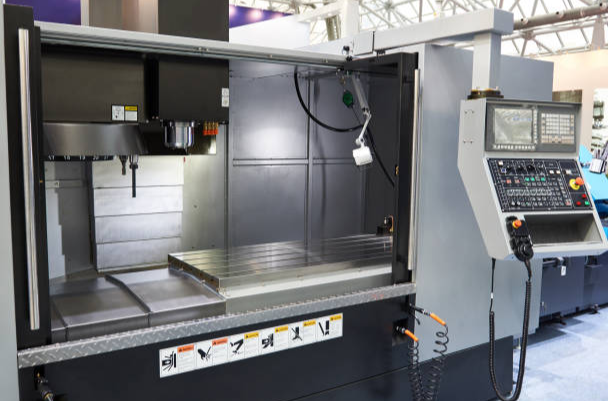
Few manufacturing methods have shaped modern part production as strongly as computer-controlled cutting. Among the available setups, the vertical layout stands out because it combines a simple, accessible design with the precision needed for everything from prototypes to production runs. In CNC vertical machining, a spindle sits above the workpiece and moves downward to cut material that is clamped to a table below. That orientation gives operators a clear view of the cutting area, makes setups easier to check, and allows gravity to help clear chips in many operations. Engineers, buyers, and hobbyists who want to understand why so many facilities rely on this approach will find the basics worth knowing. This article explains how the process works, what influences quality, and how to decide whether it suits a given project.
Core Components and How Cutting Happens
A typical vertical setup relies on a few core parts working together. The spindle holds and rotates the cutting tool, the table secures the workpiece, and a control system translates a programmed path into precise motion along the X, Y, and Z axes. A tool changer swaps cutters automatically, which keeps cycles short when a part needs drilling, tapping, and contouring in sequence. A modern CNC milling machine also uses coolant systems and enclosures to manage heat, protect operators, and keep chips under control. Rigid castings and quality linear guides matter just as much, because vibration is the enemy of surface finish. Fixtures, vises, and clamps deserve equal attention, because a part that shifts even slightly can ruin tolerances and waste expensive stock. Operators also monitor tool life, since worn cutters leave poor finishes and can strain the spindle. Regular maintenance, including lubrication and way cover checks, keeps accuracy stable over thousands of hours. Programmers begin with a digital model, generate toolpaths, and verify them in simulation before any metal is cut. When teams follow this workflow consistently, CNC vertical machining delivers repeatable results across batches, even when different operators run the job.
Choosing Axes, Materials, and Tolerances
Choosing the right configuration starts with the geometry of the part. Three-axis machines handle flat features, pockets, and holes efficiently, while a 5-axis vertical machining center can reach angled surfaces and complex contours in a single clamping, reducing setup errors and handling time. Material selection shapes the plan as well. Aluminum cuts quickly and tolerates aggressive feeds, steel and stainless demand slower speeds and stronger tooling, and plastics need sharp cutters to avoid melting. Tolerances guide every decision, since tighter requirements call for stable temperatures, careful fixturing, and in-process inspection with probes or coordinate measuring tools. Many buyers compare options by visiting a CNC machine shop, reviewing sample parts, and asking how inspection is documented before they approve a first order. Cost depends on cycle time, tooling wear, and setup effort, so designing parts with generous corner radii and consistent hole sizes can lower expenses noticeably. Surface finish requirements deserve early discussion too, because finishing passes, specialized tools, or secondary processes such as deburring and anodizing can add steps that influence both budget and lead time. Clear drawings with datums, tolerances, and material callouts help every quote stay accurate.
In practice, CNC vertical machining rewards early collaboration between designers and machinists, because small design adjustments often remove entire operations.
Conclusion
Understanding how a spindle, table, and control system work together makes it easier to judge when a project suits this method. Clear drawings, realistic tolerances, and thoughtful material choices remain the foundation of good outcomes, regardless of equipment size. Manufacturers that want dependable vertical machines often study the specifications and support offered by suppliers such as Campro USA before making a purchasing decision. Reviewing spindle speed, travel, tool capacity, and service availability gives a clearer picture than price alone. Training operators well and planning maintenance schedules protect the investment over time. Whether the goal is a single prototype or thousands of identical components, CNC vertical machining remains a flexible and proven route to accurate parts when it is planned with care.