
Hydration plays an essential role in regulating body temperature, supporting circulation, and maintaining normal physical and cognitive functions. While drinking water and consuming fluids through food are sufficient for most healthy people, certain medical situations may require fluids to be administered through a vein. IV hydration in Houston is an option people may encounter when exploring hydration treatments for wellness or medical needs. Understanding how intravenous fluids work, when they may be appropriate, what the evidence supports, and which safety precautions matter can help individuals make informed decisions about their hydration and overall health.
What Is IV Hydration Therapy?
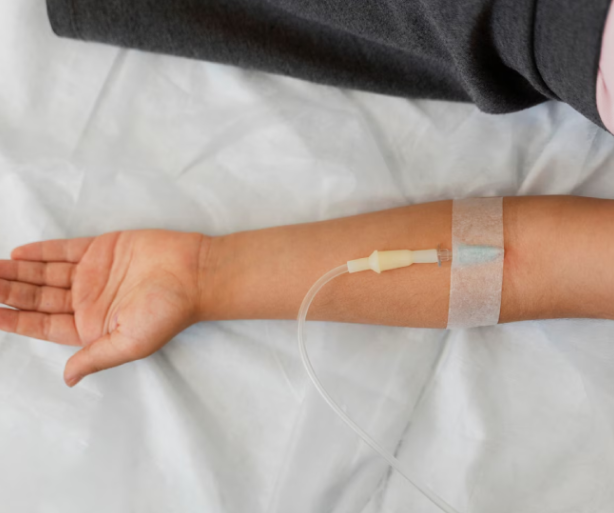
IV hydration in Houston is a procedure in which fluids are delivered directly into a vein through a catheter. Depending on the clinical purpose, the fluid may contain water, electrolytes, or other medically indicated substances. Healthcare professionals commonly use IV fluids to manage dehydration when oral fluid intake is insufficient or when a patient’s medical condition requires intravenous treatment.
Elective wellness clinics may also offer IV infusions containing vitamins, minerals, or other ingredients. These services are different from medically necessary fluid replacement because their purpose, formulation, and supporting evidence may vary.
Potential Benefits and Limitations of IV Hydration
IV hydration in Houston can be valuable when a person has significant dehydration, cannot take sufficient fluids by mouth, or needs medically supervised fluid replacement. In these situations, treatment can help restore fluid balance and address related electrolyte disturbances when appropriately prescribed.
For elective wellness treatments, however, the evidence supporting additional benefits in otherwise healthy people is more limited. Claims that vitamin infusions consistently improve energy, strengthen immunity, enhance skin appearance, or accelerate recovery should be evaluated carefully because outcomes depend on the ingredients, the person’s health, and the quality of available research.
Fluid and Electrolyte Replacement
Water and electrolytes, including sodium and potassium, help maintain normal fluid balance and support nerve and muscle function. Excessive sweating, vomiting, diarrhea, and certain illnesses can lead to fluid losses.
Mild dehydration can often be managed by drinking water or an appropriate oral rehydration solution. Severe dehydration requires prompt medical attention and may require intravenous fluids. The appropriate treatment depends on the cause and severity of the fluid loss.
Vitamins and Nutrient Administration
Some elective IV infusions contain vitamins such as vitamin C and B vitamins. Although these nutrients are necessary for normal bodily functions, intravenous delivery does not automatically provide additional benefits to someone whose nutritional needs are already being met.
People with diagnosed deficiencies or specific medical conditions may require targeted treatment, but the appropriate route and dosage should be determined by a qualified healthcare professional. Nutrient infusions should not be regarded as a substitute for a balanced diet or evidence-based medical care.
Energy and Recovery
Dehydration can contribute to tiredness, headaches, dizziness, and reduced physical performance. Correcting dehydration may improve symptoms when fluid loss is the underlying cause.
However, fatigue can also result from sleep deprivation, anemia, infections, medication effects, and other medical conditions. An IV infusion may not address these underlying problems, so persistent or unexplained fatigue warrants a medical assessment rather than repeated wellness treatments.
What to Expect During an IV Hydration Session
The procedure typically involves several stages, although the exact process depends on the treatment setting and the person’s medical needs.
Initial assessment: A qualified healthcare professional should review the person’s medical history, current symptoms, medications, allergies, and relevant risk factors. The assessment helps determine whether IV treatment is appropriate.
Preparation and insertion: The skin is cleaned, and a small catheter is inserted into a suitable vein using appropriate infection-control procedures. The infusion solution and dosage should be verified before administration.
Safety Risks and Who Should Exercise Caution
Although IV hydration can be medically appropriate, inserting a catheter and administering fluids carries potential risks. These include pain, bruising, inflammation of the vein, infection, and complications associated with the infusion solution. Excessive fluid administration can also be dangerous, particularly for people with kidney disease, heart failure, or conditions that affect fluid balance.
Additional ingredients may introduce further risks. For example, high doses of certain vitamins or interactions with medications can cause adverse effects. The U.S. Food and Drug Administration has also reported serious adverse events associated with some improperly prepared injectable products, highlighting the importance of sterile preparation and appropriate clinical oversight.
Conclusion
Elective infusions containing vitamins and other nutrients require a more cautious assessment because their benefits vary and may be limited for people without a specific medical need. When evaluating services, including those available through Soirée Aesthetics, consumers should prioritize appropriate medical assessment, transparent information about formulations, sterile administration, and realistic explanations of expected outcomes. Proper hydration, balanced nutrition, adequate sleep, and timely medical care remain essential foundations of well-being.