
Efficient packaging plays an important role in protecting products, improving presentation, and maintaining a consistent production workflow. For businesses handling different product sizes and packaging volumes, selecting the right equipment can make daily operations more efficient. A shrink wrap packaging machine can automate important stages of the wrapping process, helping businesses achieve consistent results while reducing repetitive manual work. However, choosing suitable equipment requires careful consideration of product dimensions, production speed, film requirements, and available workspace.
What Does Shrink Wrapping Equipment Do?
Shrink wrapping equipment is designed to enclose products in shrink film and use controlled heat to create a close-fitting package. Depending on the equipment configuration, the process may involve sealing, cutting, film application, and heat shrinking.
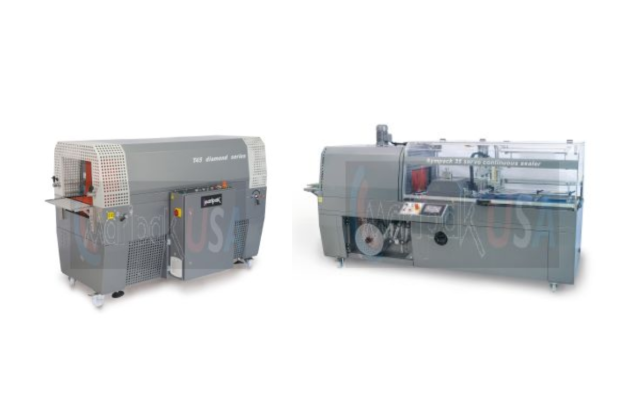
Different machines are designed for different production requirements. L-sealers, for example, can seal and cut film around individual products, while side sealers are suited to continuous packaging applications. Heat tunnels can then apply controlled heat to shrink the film around the packaged item. Selecting equipment based on the complete packaging process rather than one individual function can help create a more efficient workflow.
What Should You Consider Before Buying?
Product characteristics should be one of the first considerations. Businesses should evaluate the length, width, height, weight, and shape of the products they intend to package. If products vary considerably in size, adjustable equipment may provide greater flexibility.
Production volume is equally important. A small operation with occasional packaging needs may not require the same equipment capacity as a facility processing products continuously throughout the day. Businesses should consider expected output, operating hours, product changeovers, and potential future growth before selecting a machine.
Film compatibility should also be evaluated. Different products and applications may require different types of shrink film. Choosing equipment that works appropriately with the intended packaging material can help maintain reliable sealing and shrinking performance.
How Does Automation Improve Packaging?
Automation can reduce repetitive manual tasks and make packaging operations more consistent. Instead of relying entirely on employees to measure, cut, seal, and shrink film manually, automated equipment can coordinate several steps within a structured process.
A suitable shrink wrap packaging machine can also help create more uniform packages. Consistent sealing and film application can contribute to a professional appearance while reducing unnecessary material usage caused by inconsistent manual wrapping.
However, automation should be selected according to actual production requirements. Businesses should consider whether they need semi-automatic equipment, fully automatic systems, or specialized machinery for high-volume applications. Investing in equipment that matches production needs can prevent unnecessary complexity while leaving room for future expansion.
Why Are Support and Maintenance Important?
Purchasing packaging equipment is only the beginning of its operating lifecycle. Proper installation, setup, operator training, preventative maintenance, and technical assistance can all influence long-term performance.
Businesses should therefore evaluate the support available from their equipment provider. Training can help operators understand machine settings and appropriate operating procedures, while preventative maintenance can help identify potential issues before they result in extended downtime.
Maripak states that its equipment support includes installation, setup, and training services. The company also provides technical support and parts fulfillment for its equipment.
How Can Businesses Prepare for Future Growth?
Packaging requirements can change as businesses introduce new products, increase production volumes, or expand into additional markets. Equipment that works well today should ideally provide enough flexibility to accommodate reasonable future requirements.
Before purchasing, businesses can assess expected production growth, product variations, available floor space, and potential equipment upgrades. This approach helps ensure that the selected shrink wrap packaging machine supports both current operations and longer-term packaging objectives.
It is also useful to examine the complete equipment ecosystem. Sealers, heat tunnels, conveyors, bundling equipment, and other components may need to work together to create an efficient packaging line. Evaluating these elements as a complete system can provide a clearer understanding of what the operation actually needs.
Conclusion
Choosing the right packaging equipment requires more than comparing machine specifications. At Maripak USA, we offer a range of shrink wrapping and packaging equipment, along with installation, setup, training, technical support, and parts services to help businesses develop dependable packaging operations. Product dimensions, packaging materials, production volume, automation requirements, workspace, maintenance, and technical support should all influence the decision.