
Tapestry weaving is an art form that combines creativity, craftsmanship, and storytelling. For centuries, tapestries have served as decorative art, historical record, and cultural expression. Today, modern tapestry makers continue to honor these traditions while incorporating contemporary designs and personalization options. Understanding the techniques and insights of a master tapestry maker offers a glimpse into the dedication and skill required to transform threads into intricate works of art.
The Role of a Tapestry Maker
A tapestry maker is more than just a craftsman; they are an artist, historian, and designer rolled into one. Creating a tapestry involves selecting the right materials, colors, and weaving techniques to achieve both visual impact and durability. Every tapestry begins with a design concept, often influenced by the client’s vision or a historical reference. Master tapestry makers carefully map out patterns and choose yarns that will complement the intended texture and aesthetic of the piece.
Beyond technical skill, a tapestry maker must have an eye for color, proportion, and storytelling. Each thread placement contributes to the overall narrative, creating depth and movement in what is essentially a two-dimensional surface. The artist’s experience and intuition play a crucial role in achieving harmony between design and execution.
Materials and Techniques
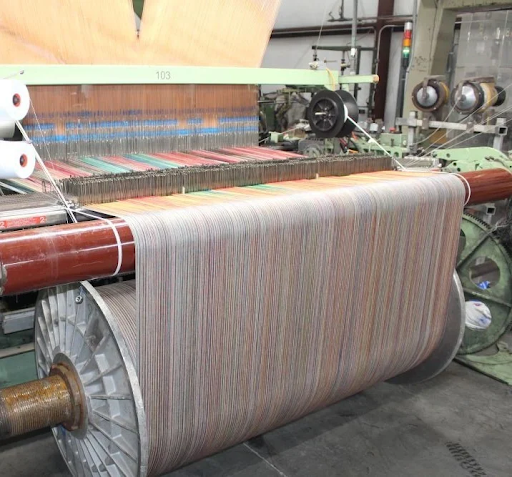
Tapestries are traditionally woven on a loom using threads such as wool, silk, or cotton. Modern tapestry makers often experiment with blends, metallic threads, or eco-friendly fibers to achieve unique textures and effects. The weaving process involves interlacing weft threads horizontally through warp threads, gradually building the design from bottom to top.
Techniques vary based on style and complexity. Some tapestries use the traditional hand-weaving method, which allows for precise control over color transitions and shading. Others incorporate jacquard looms or digital weaving tools for intricate designs or large-scale projects. A master tapestry maker knows when to combine traditional methods with modern innovations to produce a piece that is both technically sound and visually striking.
Customization and Personalization
One of the hallmarks of contemporary tapestry making is the ability to create fully customized pieces. Clients can collaborate with a tapestry maker to incorporate personal images, family crests, or bespoke patterns into a design. The process begins with detailed consultations, during which the artist translates ideas into sketches or digital mock-ups.
Custom tapestries are particularly popular for home decor, offices, and cultural institutions. They offer a level of personalization that mass-produced art cannot match, allowing each tapestry to reflect the client’s individuality and taste. The tapestry maker’s skill ensures that even highly complex designs are executed flawlessly.
Preservation of Tradition and Storytelling
Tapestries have long been a medium for storytelling, preserving historical events, myths, and cultural narratives. Master tapestry makers carry forward this tradition, blending artistic vision with historical accuracy when required. Each project becomes a dialogue between past and present, celebrating craftsmanship while honoring centuries-old weaving techniques.
By studying historical patterns, color schemes, and weaving methods, contemporary tapestry makers can recreate authentic works reminiscent of medieval or Renaissance periods. This connection to heritage adds depth and significance to every piece.
Conclusion
The work of a tapestry maker exemplifies patience, skill, and creativity. From selecting the perfect fibers to mastering intricate weaving techniques, the process requires dedication and artistic intuition. Modern tapestry makers continue to innovate while honoring centuries-old traditions, producing works that serve both aesthetic and cultural purposes. Customization has become a defining feature, enabling clients to collaborate closely with artisans to create one-of-a-kind pieces. For those fascinated by historical artistry and contemporary craftsmanship alike, exploring the expertise of a tapestry maker opens doors to timeless beauty and storytelling, whether in a grand hall or a private home. A medieval unicorn tapestry is a stunning example of this; its intricate design embodies the skill, narrative depth, and artistry that define the pinnacle of tapestry making.