
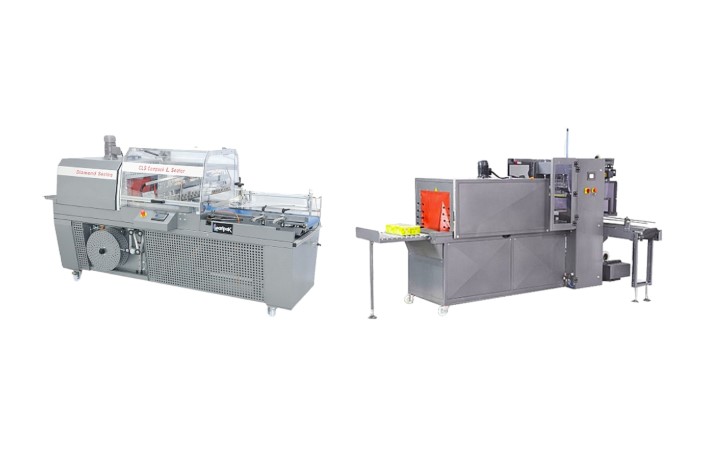
In modern manufacturing and logistics, packaging plays a crucial role in protecting products, maintaining quality, and ensuring safe transportation. As industries continue to grow, the demand for efficient and reliable packaging solutions has increased significantly. One of the most widely used technologies in this space is the shrink wrap packaging machine, known for its ability to provide secure and visually appealing packaging.
These machines have become essential in industries such as food and beverage, pharmaceuticals, electronics, and retail. By automating the packaging process, they reduce manual effort and improve consistency, making them a key component in modern production lines.
What is a Shrink Wrap Packaging Machine
A shrink wrap packaging machine is a device that wraps products in a heat-sensitive plastic film, which shrinks tightly around the item when exposed to heat. This creates a protective layer that is durable, tamper-evident, and visually appealing.
The process typically involves placing the product inside a film, sealing it, and then passing it through a heat tunnel. The heat causes the film to contract, forming a snug fit around the product. This method ensures protection from dust, moisture, and physical damage during storage and transportation.
Key Components of the Machine
Shrink wrap packaging machines consist of several important components that work together to complete the packaging process efficiently.
Film Dispenser
The film dispenser holds and feeds the shrink film into the machine. It ensures proper alignment and tension, which is essential for achieving a clean and consistent wrap.
Sealing System
The sealing unit cuts and seals the film around the product. This is often done using heat sealers, such as L-bar sealers, which create precise and secure seals.
Conveyor System
Conveyors transport products through different stages of the packaging process, from sealing to shrinking. They help maintain a continuous workflow and improve overall efficiency.
Heat Tunnel
The heat tunnel is where the actual shrinking process occurs. It uses controlled heat and airflow to ensure the film wraps tightly and evenly around the product.
Types of Shrink Wrap Machines
Shrink wrap machines are available in different configurations to suit various production needs.
Manual Machines
Manual machines require operators to perform most of the tasks, including placing products and initiating the sealing process. These are suitable for small-scale operations.
Semi-Automatic Machines
Semi-automatic machines combine manual input with automated functions. Operators place the product, while the machine handles sealing and shrinking, improving efficiency without requiring full automation.
Fully Automatic Machines
Fully automatic machines handle the entire process, from feeding products to sealing and shrinking. These are ideal for high-volume production environments where speed and consistency are critical.
Benefits of Using Shrink Wrap Packaging Machines
Enhanced Product Protection
Shrink wrapping creates a tight seal that protects products from environmental factors such as dust, moisture, and contamination.
Improved Aesthetic Appeal
The transparent film provides a clean and professional look, allowing products to be displayed attractively while remaining protected.
Increased Efficiency
Automation reduces manual labor and speeds up the packaging process, enabling businesses to handle larger volumes with ease.
Cost-Effective Solution
Shrink wrapping uses minimal material while providing maximum protection, making it a cost-effective packaging method.
Applications Across Industries
Shrink wrap packaging machines are used in a wide range of industries due to their versatility.
- Food and beverage: Packaging items like bottles, cans, and packaged foods
- Pharmaceuticals: Ensuring tamper-proof packaging for medical products
- Electronics: Protecting delicate components during transport
- Retail and logistics: Bundling and securing products for shipment
Their adaptability makes them suitable for packaging products of various shapes and sizes.
Role of Automation in Modern Packaging
Automation has transformed packaging processes by improving speed, accuracy, and reliability. Shrink wrap machines can be integrated with other systems such as conveyors, labeling machines, and palletizers to create a fully automated production line.
This integration reduces errors, minimizes downtime, and ensures consistent output, which is essential for meeting high production demands.
Importance of Sealing Technology
Sealing is a critical step in the shrink wrapping process. A strong and precise seal ensures that the film remains intact during the shrinking process and throughout handling and transportation.
Advanced sealing technologies allow for better control over temperature and pressure, resulting in improved packaging quality and durability.
Conclusion
Shrink wrap packaging machines have become an indispensable part of modern industrial operations. Their ability to provide secure, efficient, and visually appealing packaging makes them a preferred choice across various industries. By understanding their components, types, and benefits, businesses can make informed decisions when selecting packaging solutions that align with their operational needs. Incorporating systems like a semi-automatic L sealer machine can further enhance packaging efficiency by combining manual control with automated precision, making it an ideal solution for medium-scale production environments.