
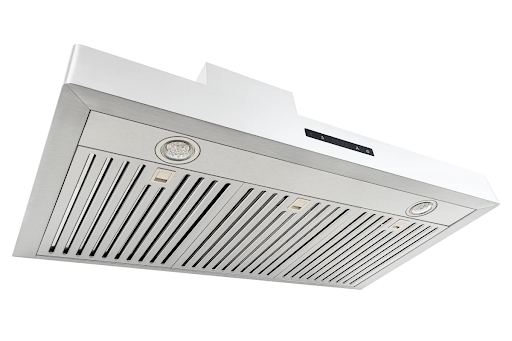
A well-ventilated kitchen is not just a matter of comfort — it is a matter of health, cleanliness, and long-term home maintenance. Among the many ventilation solutions available today, a wall mount range hood 30 inch stands out as one of the most popular and practical choices for American homeowners. Perfectly sized for standard residential cooktops and ranges, the 30-inch wall-mounted configuration delivers powerful ventilation performance while serving as a striking focal point in any kitchen design. Whether you are renovating an existing kitchen or building from scratch, understanding what makes this size and style the right choice is the first step toward making a confident, informed decision.
Why the 30-Inch Size Is the Most Popular Choice
Kitchen ventilation is not a one-size-fits-all proposition, but the 30-inch range hood comes remarkably close to being a universal solution for most American homes. The vast majority of residential cooktops and ranges are manufactured in 30-inch widths, making a matching hood the most logical and aesthetically balanced choice.
A wall-mount range hood 30-inch unit sits flush with the edges of the cooking surface below, ensuring that rising smoke, grease, steam, and cooking odors are captured efficiently before they have the chance to spread throughout the kitchen. Oversized hoods can look disproportionate in smaller kitchens, while undersized units fail to capture the full cooking plume. The 30-inch size strikes the ideal balance between performance and proportion.
Key Features to Look for in a Wall Mount Range Hood
Airflow Capacity and CFM Ratings
Cubic feet per minute, or CFM, is the standard measure of a range hood’s ventilation power. For a 30-inch hood positioned over a residential gas or electric range, a CFM rating between 400 and 600 is generally considered appropriate for everyday cooking. Households that frequently cook with high heat, use multiple burners simultaneously, or prepare heavily spiced and aromatic foods may benefit from a higher CFM rating.
It is important to match the CFM output of your hood to the actual demands of your cooking style rather than simply opting for the highest available rating. Excessively powerful hoods can create pressure imbalances in tightly sealed homes and may require larger ductwork to function efficiently.
Noise Levels and Motor Quality
A powerful range hood should not come at the cost of a peaceful kitchen environment. Look for models that specify noise levels in sones rather than decibels, as sones provide a more intuitive measure of perceived loudness. A range hood operating at three sones or fewer at its highest setting is generally considered acceptably quiet for residential use.
The quality of the motor is directly linked to both performance and longevity. Centrifugal blowers are widely regarded as superior to axial fan designs, delivering stronger, more consistent airflow with less noise across all speed settings.
Filter Type and Maintenance Requirements
Baffle filters are the gold standard for residential range hoods, offering superior grease capture efficiency and the convenience of dishwasher-safe cleaning. Mesh filters, while less expensive, tend to clog more quickly and require more frequent maintenance to maintain optimal performance.
Build Materials and Finish Options
Stainless steel remains the dominant material choice for wall-mount range hoods, offering excellent durability, heat resistance, and a clean, timeless aesthetic that complements virtually any kitchen style. Matte black and custom panel finishes are also growing in popularity for homeowners seeking a more distinctive look.
Conclusion
Choosing the right 30-inch wall mount range hood is an investment in the comfort, cleanliness, and air quality of your home kitchen for years to come. By carefully evaluating CFM ratings, motor quality, filter type, and build materials, you can identify a hood that genuinely meets your cooking needs and complements your kitchen’s design. For those who also enjoy outdoor cooking, exploring a dedicated BBQ grill hood is equally worthwhile, as proper ventilation is just as important in an outdoor kitchen setup as it is indoors.